Best Headless CMS for React
Comparison of the best headless CMS options available on the market, including the best use cases and pricing models for each


We build content platforms on the CMS that fits your problem — not the one we're most comfortable with.
FocusReactive is an engineering-led headless CMS agency that builds high-performance content platforms with Next.js. Official partners of Sanity, Storyblok, Contentful, and Payload CMS - with production experience on Directus and DatoCMS too. Every project ships with SEO/GEO, Core Web Vitals optimization, and structured data built in.
Headless CMS development is our entire focus. That focus compounds. Our CMS-Kit — page builders, navigation, localization, content models, SEO configurations — has been refined across dozens of production deployments. The architecture most teams spend weeks building, we've already shipped.
Full scope: platform selection, content modeling, Next.js frontend build, CMS integration, and performance engineering from day one. Plus technical audits for existing stacks and full-scale migrations.


Full-stack TypeScript CMS and application framework. Custom schemas, built-in authentication, file management, and a flexible admin UI — all in a single codebase.
A strong choice when the CMS and application layer need to live together.

Visual-first headless CMS with a real-time editor and component-based content model.
The platform we recommend when editorial independence is the priority — your content team builds and previews pages without developer involvement.

Real-time, API-first content platform with deep customization.
Sanity's content lake architecture gives developers fine-grained control over content modeling, and its live collaboration makes it a strong fit for teams with complex editorial workflows.

Open-source data platform that wraps any SQL database in a configurable headless CMS.
The right pick when you need to build on top of existing data structures or want full control over infrastructure.

An enterprise-grade, cloud-native CMS offering robust APIs, localization, and structured content modeling.

Developer-friendly CMS built for performance. Strong support for static site generation, GraphQL APIs, image optimization, and localization — well-suited for Jamstack projects that need fast global delivery.

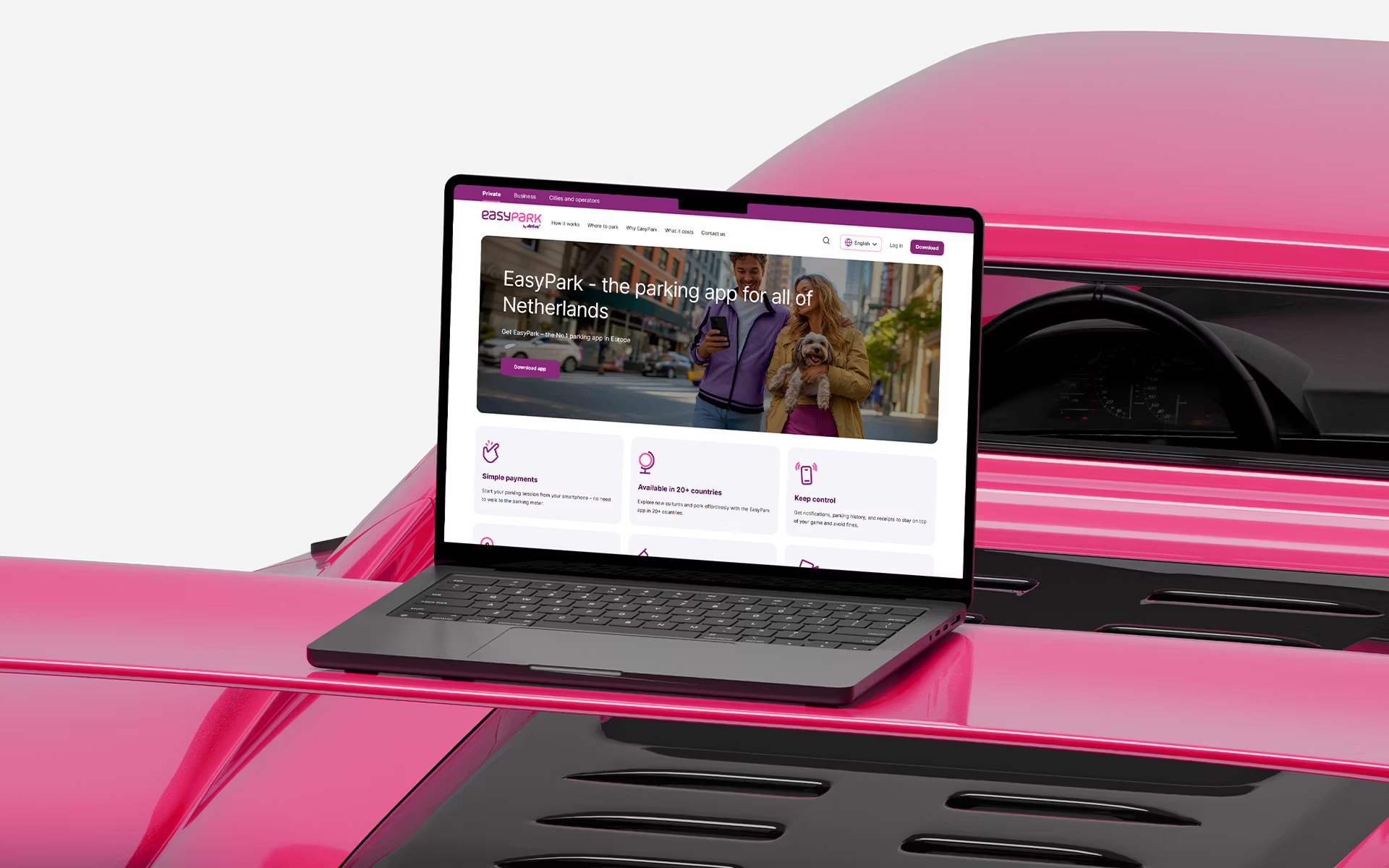
Reusable, production-tested architecture
Our CMS-Kit with page builders, navigation, localization, content models, SEO configs — is refined across dozens of deployments. Your project starts where our last one finished.

SEO and performance from day one
Every project includes a Next.js and SEO audit as standard — Core Web Vitals, structured data, rendering strategy, and GEO configuration so your content surfaces in both traditional and AI-powered search.

Accurate estimates, predictable delivery
90% of our projects stay within initial scope. We invest the time upfront so the estimate reflects what we'll actually build.





Your marketing team needs to publish fast, experiment freely, and manage content across markets — without filing developer tickets.
We build scalable content platforms on modern headless CMS stacks that give editorial teams full independence: localization, A/B testing, custom workflows — all backed by performance optimization and SEO built into the architecture.
Migrating from from legacy CMS like WordPress, Drupal, is where most teams hesitate. We've done it at scale — thousands of pages, zero downtime, redirect maps preserved, search rankings maintained.
Whether it's a migration or a greenfield integration, we've seen this pattern before.
We build high-performance storefronts using composable commerce architecture.
From Shopify Hydrogen to custom Next.js frontends, we connect CMS-driven content with product backends — designed for fast page loads, strong SEO, and the kind of editorial-rich shopping experience that converts.

Common questions about headless CMS development
A headless CMS separates content management from content presentation. Instead of a monolithic system where the CMS controls both what you write and how it's displayed, a headless CMS stores structured content and delivers it through APIs.
Your frontend — whether it's a Next.js site, a mobile app, or a digital signage system — pulls content from the CMS and renders it however it needs to. The "headless" part means there's no built-in frontend. You bring your own.
It depends on the project.
Sanity excels at custom content modeling and real-time collaboration. Storyblok is the strongest option when editorial independence and visual editing are the priority. Contentful fits enterprise teams managing content at scale. Payload is ideal when the CMS and the application need to share a codebase. Directus works best when you're building on existing databases. DatoCMS is a strong performer for Jamstack projects that need speed.
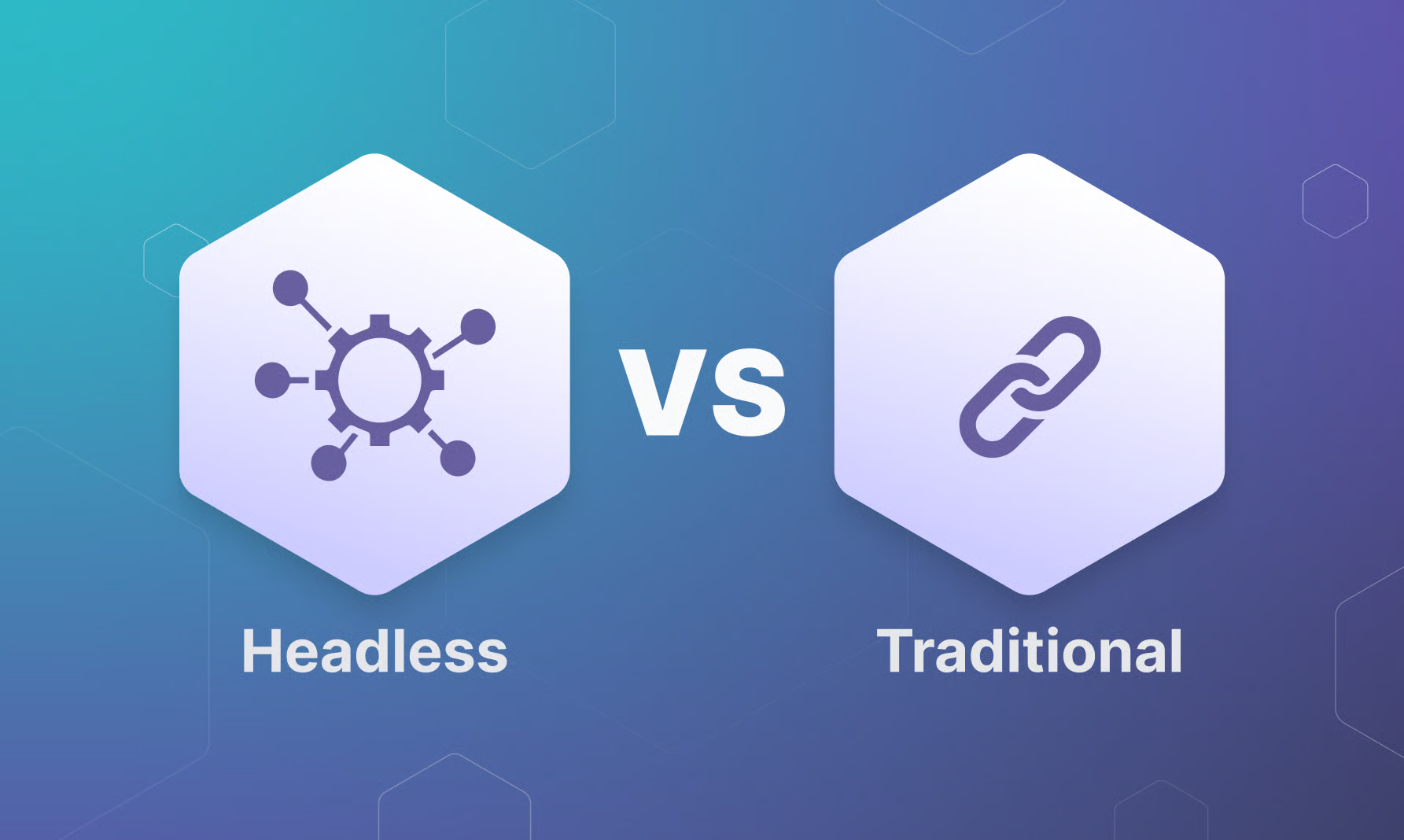
A traditional CMS like WordPress couples your content to a specific presentation layer — the theme controls how pages look, and the CMS generates the HTML. A headless CMS removes that coupling. Content lives in structured fields delivered via API, and your frontend team builds the presentation layer with whatever framework fits.
The benefit is flexibility: faster performance, reusable content across channels, and full control over your frontend stack. The tradeoff is that architectural decisions — content modeling, caching, preview infrastructure — need to be designed well.
Yes — when the architecture is set up correctly.
Headless CMS with Next.js gives you precise control over rendering strategy (ISR, SSR, static), structured data, meta tags, and Core Web Vitals — all of which directly impact search performance. The advantage over monolithic CMS platforms is that you're not limited by themes or plugins.
We include SEO and performance engineering in every project as standard, including structured data for GEO — making sure your content surfaces in AI-powered search results alongside traditional rankings.
Editorial independence is the big one — your content team publishes without waiting on developers.
Beyond that: significantly faster page loads, better SEO performance through modern rendering strategies, the ability to reuse content across web, mobile, and other channels, and a maintainable long-term codebase. For teams publishing at scale, headless architecture makes localization, A/B testing, and multi-market expansion substantially easier.
No. If you're running a simple blog or brochure site that doesn't need custom frontend development, a traditional CMS is probably simpler and cheaper.
Headless CMS makes the most sense when you need editorial independence, when performance and SEO are critical, when you're publishing across multiple platforms, or when your frontend requirements have outgrown what a monolithic CMS can support. We'll tell you honestly which approach fits — even if the answer isn't headless.