.png&w=1920&q=75)

Next.js websites power more than 730,000 active domains (TechnologyChecker, August 2026). That’s IMDb’s millions of title pages, Revolut’s banking site, Figma’s product pages, and probably that startup your CTO keeps sending you links to. Teams pick Next.js because one framework handles fast, SEO-friendly pages at any scale, preferably without making developers cry (results may vary near deadlines).
We’ve gathered 40 popular Next.js website examples and looked at how Next.js shows up across them. No “Built with Next.js” rumors taken at face value — just a closer look at the technology behind these sites. Along the way, you’ll find standout builds and a few lessons your team can steal (legally).
Before we get to the examples, a quick bit of history. Next.js launched as a free, open-source framework on October 25, 2016, built by ZEIT (now Vercel) to make server-rendered React apps less painful. Since then it has grown from a handy rendering tool into a full toolkit for building entire websites, with routing, data fetching, caching and image optimization built in. Vercel keeps shipping major releases (version 16.4 is the current one), so the framework keeps up with what modern websites need.
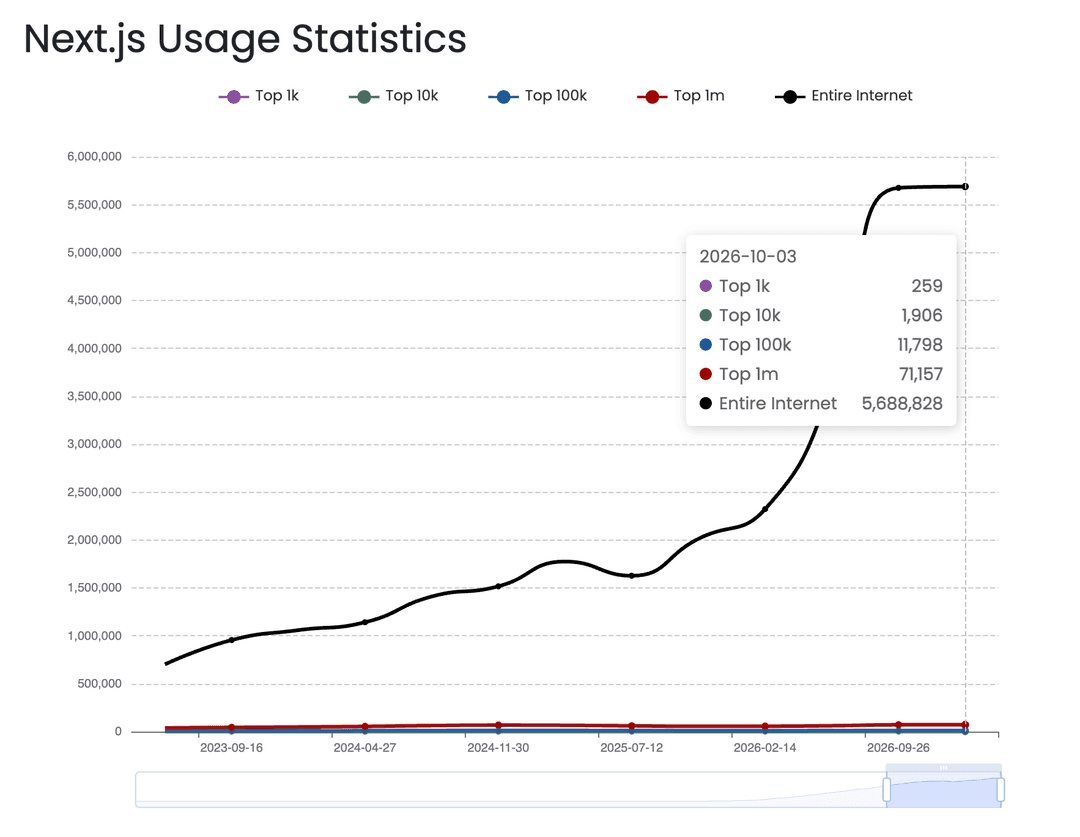 Line graph showing Next.js usage statistics from September 2023 to October 2026 across five categories: Top 1k, Top 10k, Top
Why do so many companies build websites with Next.js?
Next.js is one of the most widely used React frameworks because it solves the problems large websites run into: speed, search visibility and scale. Its main advantages:
- Flexible rendering. Server-side rendering (SSR), static generation (SSG) and incremental static regeneration (ISR) can be mixed page by page, so each page uses the fastest approach that still keeps its content fresh.
- SEO-ready by default. Server-rendered HTML, dynamic metadata and clean URLs make every page easy for search engines and AI crawlers to read.
- Strong Core Web Vitals. Built-in image, font and script optimization helps keep LCP, INP and CLS in the green.
- Headless CMS friendly. Marketing teams publish and update content without waiting for a developer deploy.
- Built to scale. Edge caching and on-demand revalidation handle traffic spikes without rebuilding the whole site.
- Fast navigation. Client-side routing and prefetching make moving between pages feel instant.
- The React ecosystem. Teams reuse components, libraries and developer expertise they already have.
- Developer happiness. Fewer custom workarounds, more shipping features. Or, put another way, fewer late-night “why is production broken?” moments.
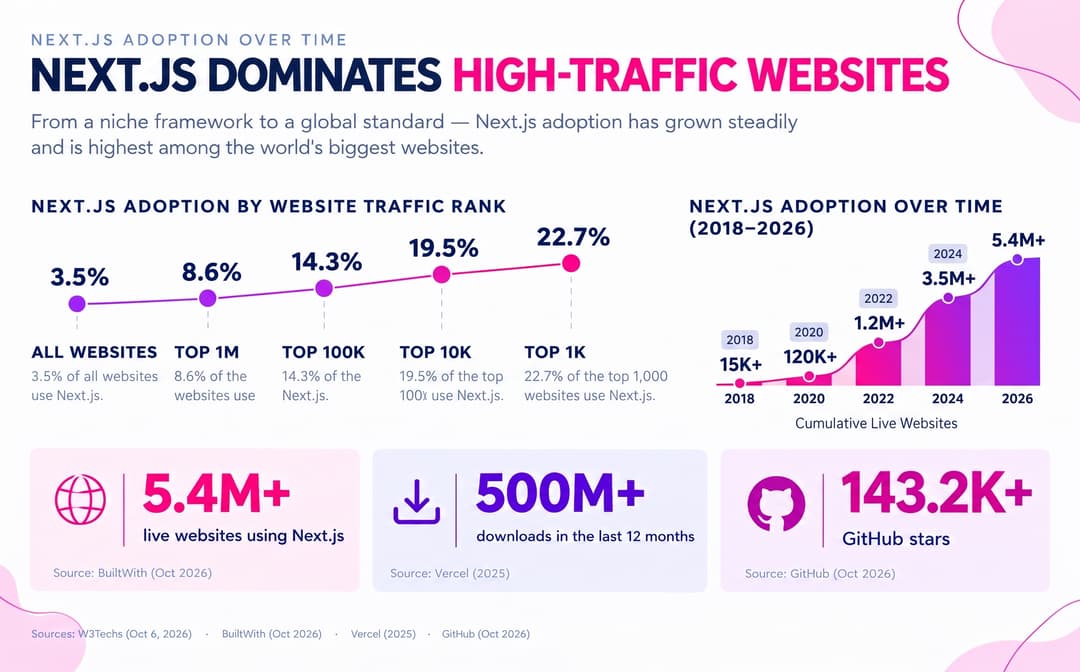 Next.js adoption growth chart showing 22.7% usage among top 1,000 websites, 5.4M+ live sites, 500M+ downloads, and 143.2K Git
40 Next.js Website Examples (Curated List)
The famous websites listed below demonstrate how different organizations leverage these strengths.
1. OpenAI
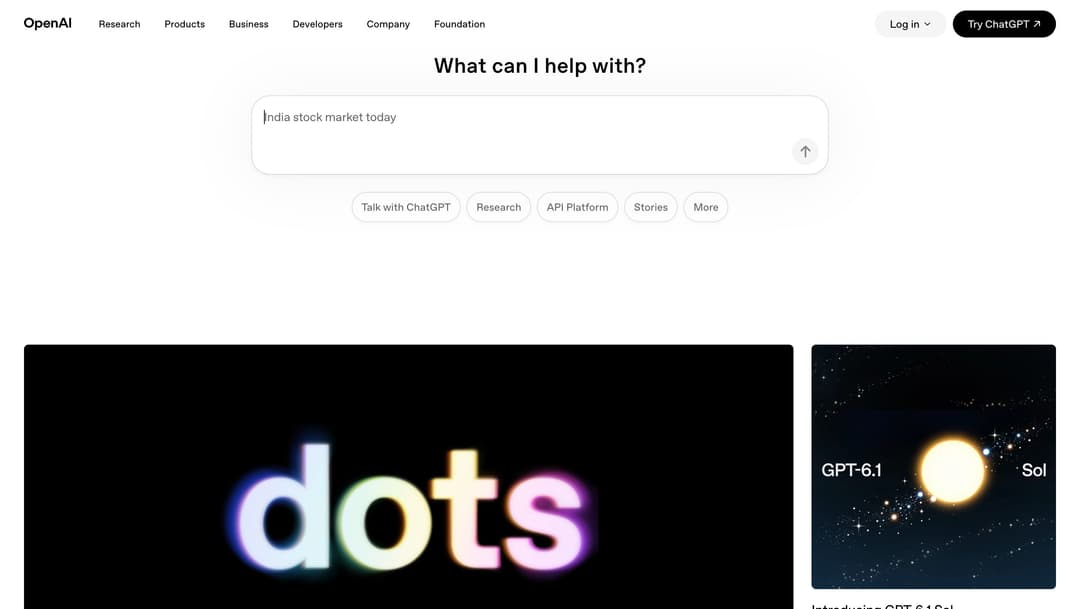 OpenAI website
Industry: Artificial Intelligence
OpenAI’s platform demonstrates how a modern Next.js website can power content-heavy properties with exceptional speed and user experience. Despite hosting product pages, research papers, API documentation, blogs, and enterprise resources, navigation remains incredibly smooth. This frictionless browsing encourages users to explore deeply complex AI topics without technical delays. The architecture handles massive traffic spikes during product launches flawlessly.
Why It Stands Out
- Fast global performance
- Dynamic content architecture
- Excellent documentation experience
- Strong technical SEO implementation
Key Lesson
Complex websites can remain fast when built on a framework optimized for both static and dynamic rendering.
2. Netflix Jobs
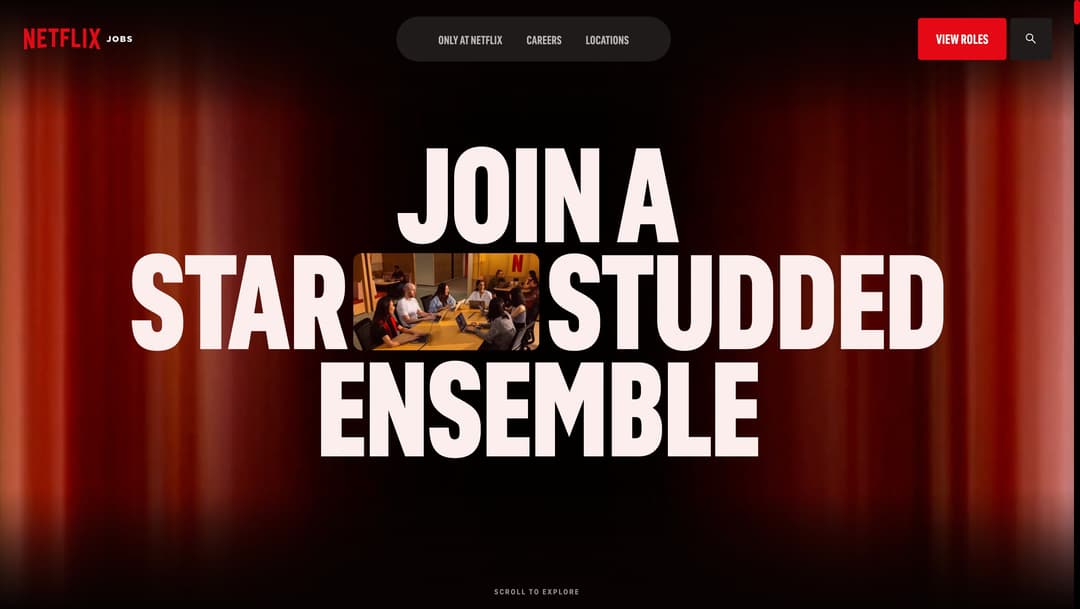 Netflix main page
Industry: Recruitment
Netflix uses the framework for parts of its recruitment and careers ecosystem, creating a highly engaging Next.js website. The platform provides fast-loading job listings while maintaining robust search functionality. Prospective candidates experience the company’s commitment to quality engineering firsthand before they even apply. Real-time filtering ensures that navigating thousands of global openings feels instant.
Why It Works
- Fast server-side rendering
- Dynamic job content
- SEO-friendly career pages
Key Lesson
Next.js is ideal for content that changes frequently without sacrificing performance.
3. TikTok Web
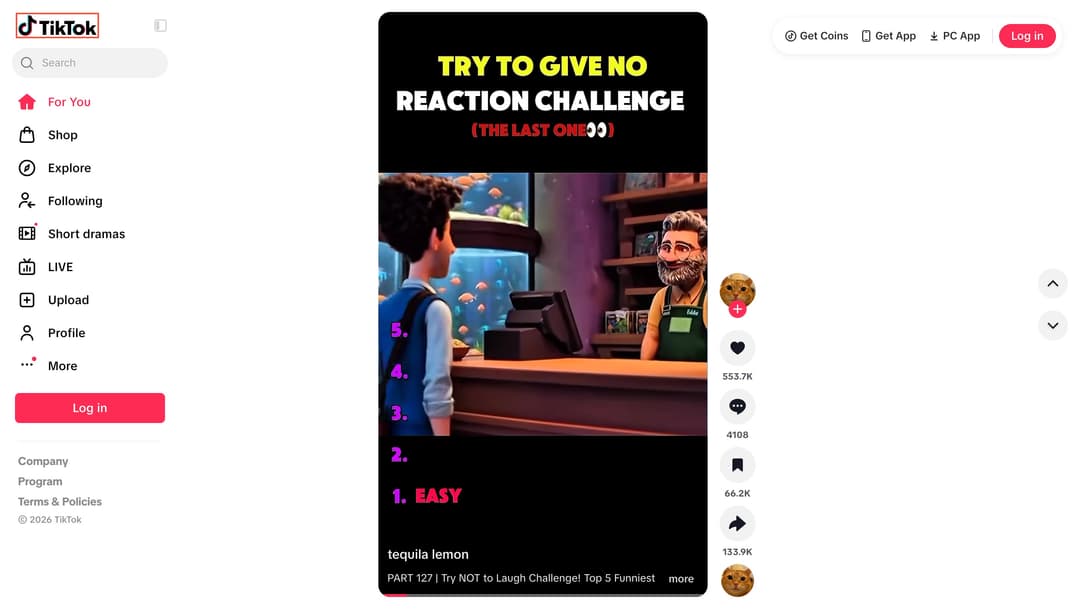 Tik Tok main page
Industry: Social Media
TikTok’s web experience showcases the capabilities of a high-traffic Next.js website scaling under enormous user volumes. The platform fluidly translates a mobile-first swipe experience into a browser environment. Heavy video assets are managed efficiently, ensuring seamless playback without buffering delays.
Highlights
- Infinite scrolling interfaces
- Dynamic content delivery
- Global user accessibility
Key Lesson
Framework scalability matters when millions of users access content simultaneously.
4. Nike
 Nike main page
Industry: eCommerce
Nike appears regularly in discussions about industry-leading eCommerce Next.js website implementations. High-resolution product imagery loads instantly, preserving the premium brand feel during high-stress sneaker drops. The architecture easily supports intricate interactive size guides and customization tools.
Strengths
- High-quality visuals
- Fast product page delivery
- Global scalability
eCommerce Insight
Every second of load time can affect conversions and revenue.
5. Sonos
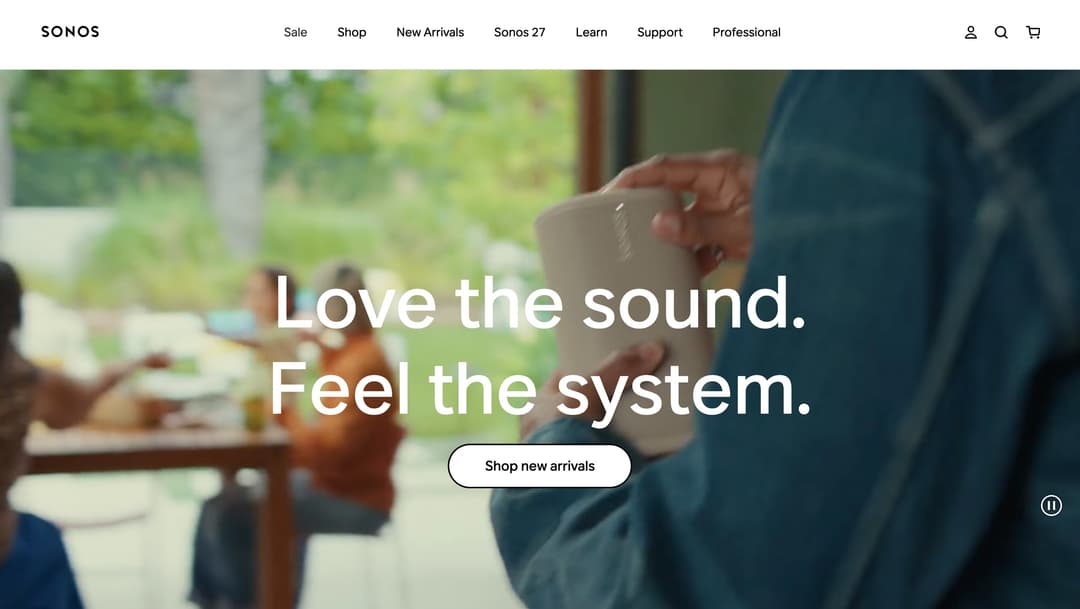 sonos main page
Industry: Consumer Electronics
Sonos combines stunning visual storytelling with strong technical performance on their Next.js website. The audio brand translates the high fidelity of its physical products into a rich digital interface. Smooth animations and transitions guide customers seamlessly from product discovery to checkout.
Key Features
- Rich multimedia experiences
- Fast image loading
- Excellent mobile responsiveness
6. Notion
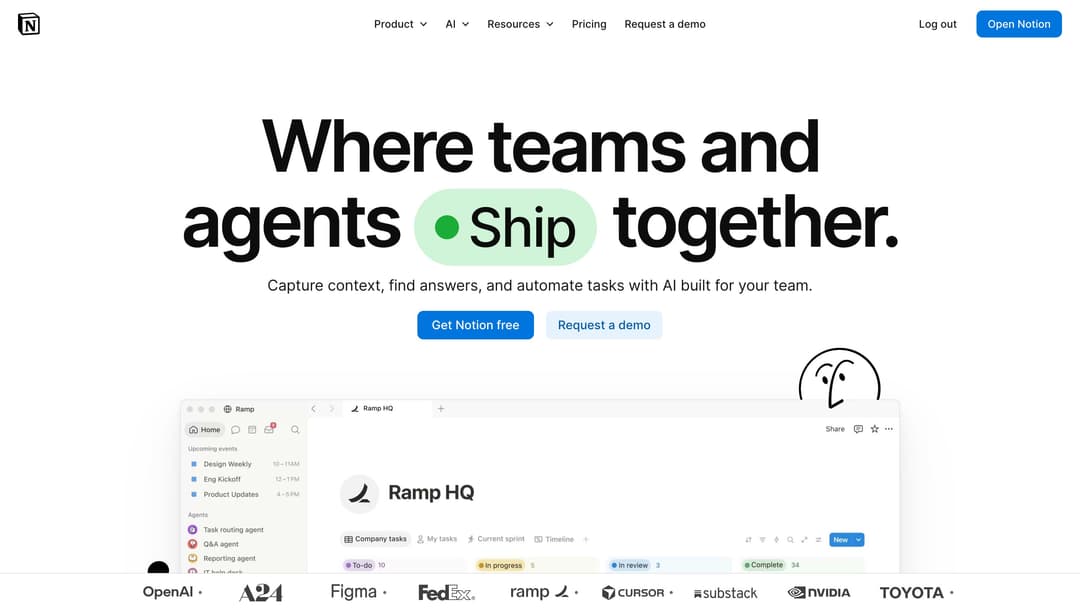 Notion main page based on Next.js
Industry: Productivity Software
Notion’s marketing presence is frequently referenced among the most successful famous Next.js website examples. It mirrors the core product’s clean, minimalist aesthetic while delivering lightning-fast page transitions. This cohesion builds instant brand trust and accelerates user onboarding.
Strengths
- Exceptional content organization
- Fast page transitions
- SEO-optimized landing pages
- Consistent user experience
7. Hulu
 Hulu streaming service homepage displaying subscription offers with movie and TV show thumbnails in background, featuring "En
Industry: Streaming Media
Hulu leverages modern frontend technologies to create a seamless Next.js website experience across various devices. Viewers can transition from browsing catalogs to streaming content with near-zero latency. The robust routing capabilities allow for deep linking into specific shows effortlessly.
Lessons
- Performance directly impacts conversions
- Fast loading improves engagement
- User experience supports retention
8. HashiCorp
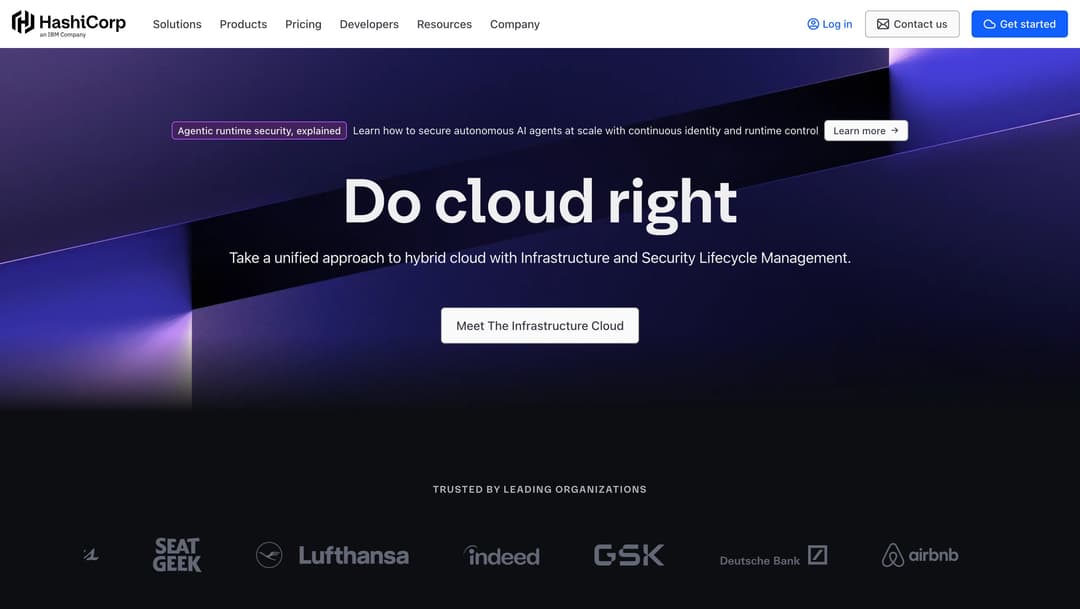 hashi main page
Industry: DevOps
HashiCorp uses this technology to power extensive documentation, making their Next.js website a developer favorite. Navigating complex cloud infrastructure manuals becomes intuitive through instant search and optimized page rendering. This directly reduces support tickets by empowering users to find answers immediately.
Notable Features
- Massive documentation databases
- Developer-friendly navigation
- Advanced search capabilities
9. Loom
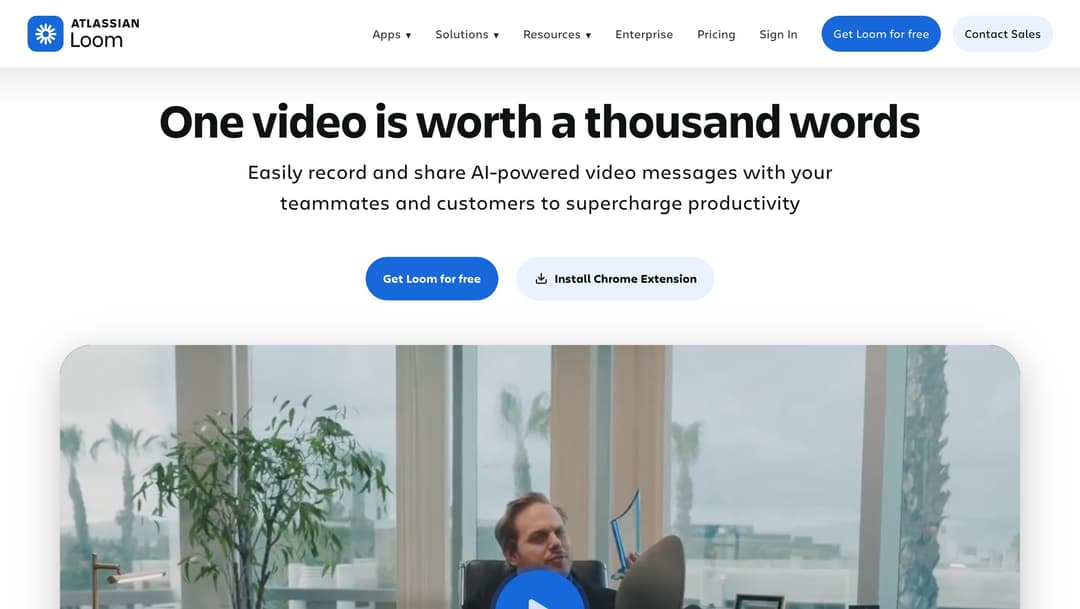 Loom main page on Next.js
Industry: Video Collaboration
Loom offers a content-heavy SaaS Next.js website experience while maintaining fast navigation and conversion-focused design. Video previews and embedded recordings load without freezing the main thread. This technical polish reflects the core value proposition of their asynchronous communication tool.
10. Zapier
 Zapier main page
Industry: Automation
Zapier’s extensive marketing Next.js website illustrates how the framework handles thousands of SEO pages effectively. Each integration pair has a uniquely generated page that loads instantly for search engine bots. This programmatic SEO strategy relies heavily on the framework’s reliable static generation.
11. Vercel
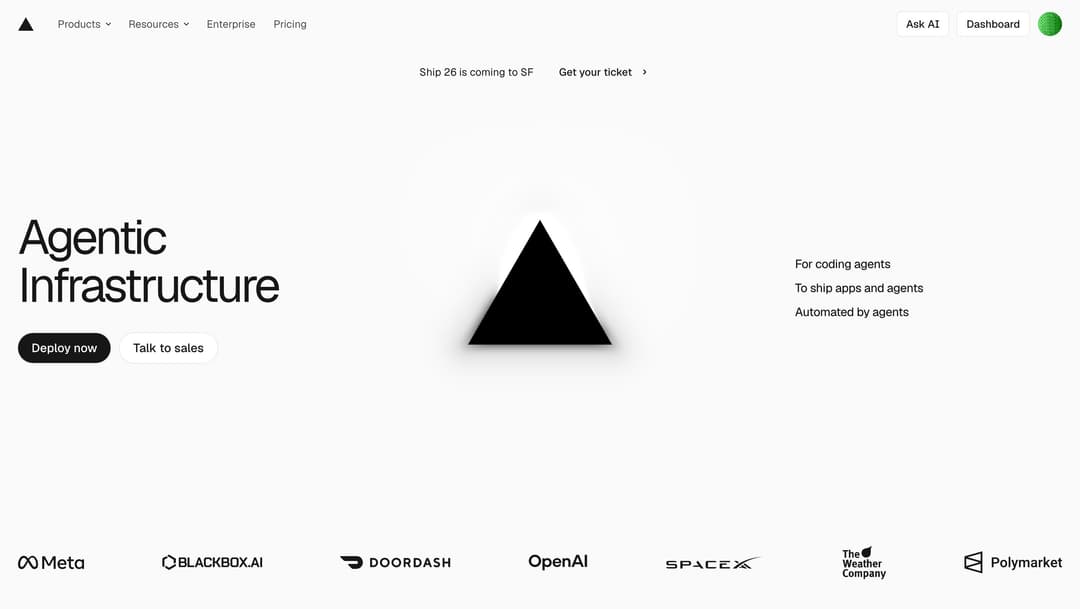 Agentic Infrastracture
Industry: Cloud Infrastructure
As the company behind the framework, Vercel serves as one of the most educational Next.js website examples. They actively dogfood their own experimental features, pushing the boundaries of what is possible on the web. Developers constantly analyze their source code for bleeding-edge best practices.
Why Study It
- Exceptional performance
- Modern UI design
- State-of-the-art developer experience
12. Ticketmaster
 Ticketmaster homepage displaying event search interface with location, date, and search fields. Featured events include The W
Industry: Events
Ticketmaster demonstrates how a Next.js website supports content-rich experiences with changing availability and inventory. Handling sudden surges of passionate fans requires an architecture that won’t buckle under pressure. The framework’s efficient data fetching keeps seat availability highly synchronized.
13. Marvel
 Marvel main page
Industry: Entertainment
Marvel’s digital experiences showcase visually rich storytelling on a modern entertainment Next.js website. Comic panels, cinematic trailers, and character databases are delivered with dramatic, fast-loading flair. Fans can dive deep into the lore without hitting performance bottlenecks.
14. IGN
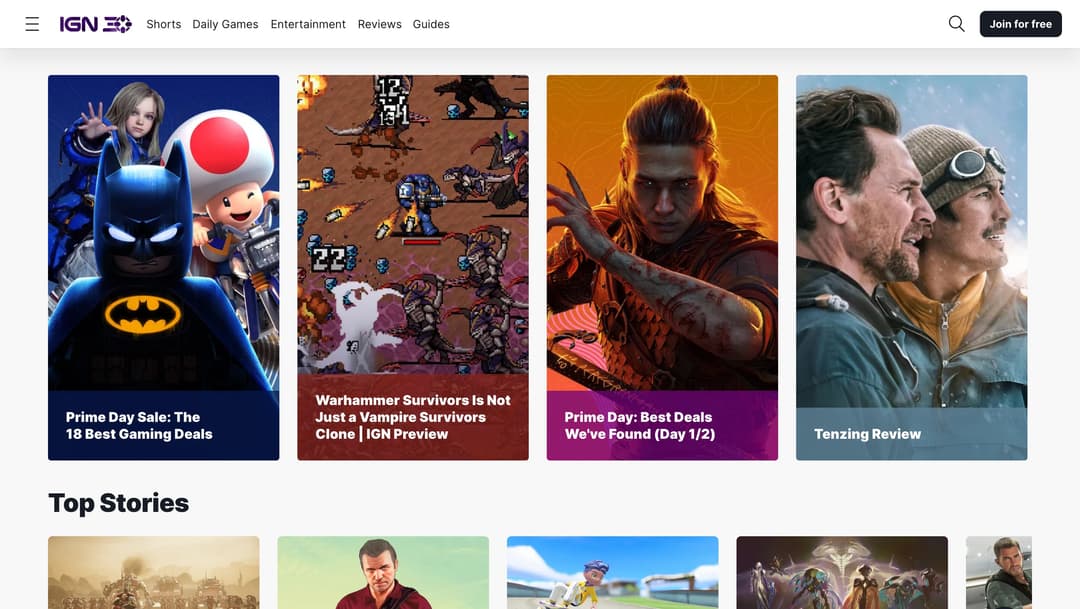 IGN main page
Industry: Gaming & Media
Publishing networks benefit significantly from this setup, making IGN a highly performant media Next.js website. Gamers demand instant access to breaking news, reviews, and video content. The framework’s built-in image optimization ensures heavy media assets don’t penalize their search rankings.
15. Washington Post
 The Washington Post homepage displaying "Democracy Dies in Darkness" tagline, with navigation menu, Kamala Harris election ar
Industry: News
Large publishers increasingly adopt this architecture, transforming the Washington Post into a lightning-fast Next.js website. Delivering critical news reliably during major global events requires absolute infrastructure stability. Journalists can publish updates rapidly while readers enjoy a distraction-free layout
16. Target
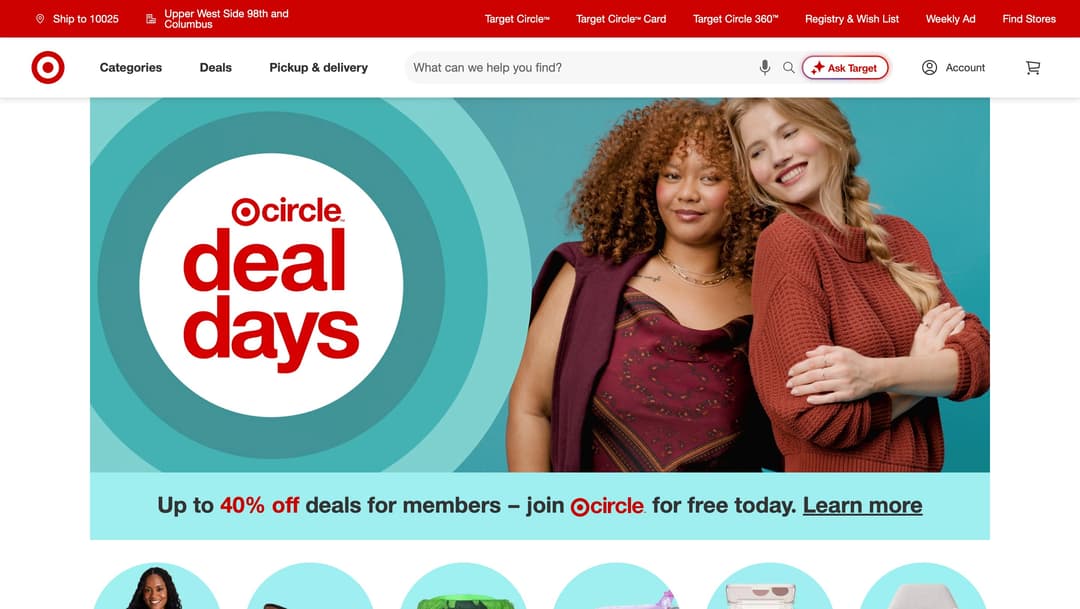 Target main page
Industry: Retail
Target’s digital platforms highlight how an enterprise retail Next.js website optimizes customer journeys through performance enhancements. The omnichannel experience bridges local store inventory with nationwide shipping options instantly. Every millisecond saved during the checkout flow translates directly to increased revenue.
17. IMDB
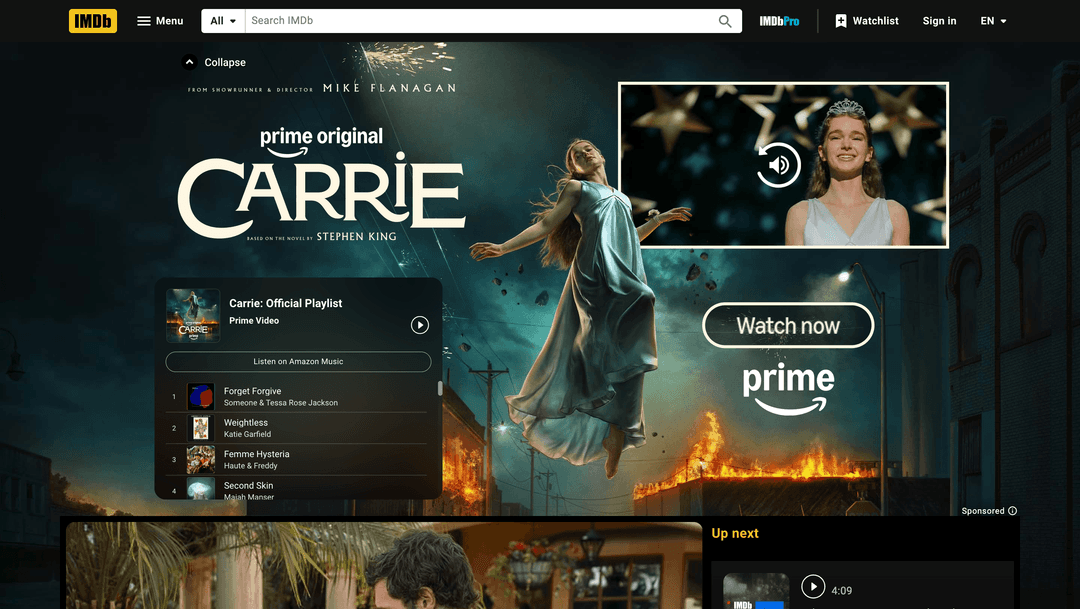 IMDb main page
Industry: Entertainment & Media Database
IMDb, the Amazon-owned database of films, TV series and the people who make them, serves its title and name pages through Next.js. Each page is rendered on the server, so search engines and AI crawlers get complete HTML with the cast, ratings, plot and release details already in it. The same page data is embedded as a JSON payload that Next.js uses to hydrate the page in the browser. That lets IMDb serve millions of database-driven pages from one set of templates instead of maintaining them one by one.
Why It Stands Out
- Server-rendered pages for an enormous catalog of titles and people
- Templates driven by structured data, so millions of pages stay consistent
- Fully rendered HTML that’s easy for search engines and AI crawlers to index
- Dense pages packed with information that still feel organized
Key Lesson
Next.js works well for programmatic SEO at scale. When pages come from structured data, server rendering makes every one of them indexable without anyone building them by hand.
18. Revolut
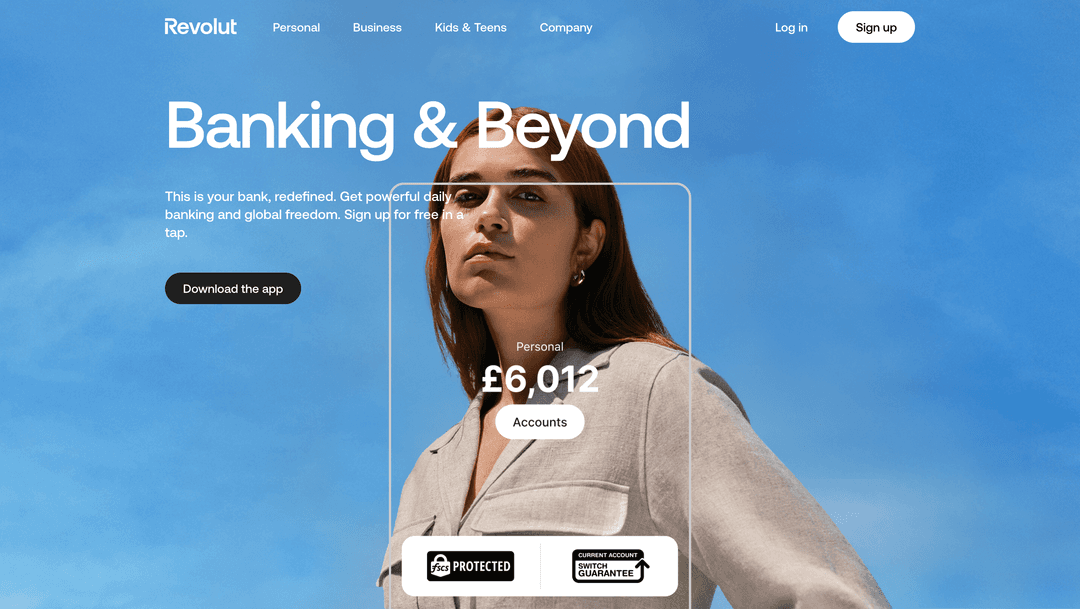 Revolut uses Next.js
Industry: Fintech / Digital Banking
Revolut’s public website runs on Next.js. That covers the homepage, product pages for accounts, cards, savings, crypto and business banking, plus pricing and help content. It’s a large marketing site that has to work for many markets: the homepage you see depends on your country, with local product names, prices and legal wording, so each regional version needs its own content and compliance copy. Pages are rendered on the server, so search engines and AI crawlers get the full HTML for every product and plan.
Why It Stands Out
- Next.js 15 in production on one of Europe’s best-known fintech brands
- Product, pricing and legal content tailored to each country
- Server-rendered pages that are easy for search engines and AI crawlers to index
- A product-led design that mirrors the look of the Revolut app
Key Lesson
A regulated business that operates in many countries needs a website that can vary content by market without splitting into separate sites. Next.js lets one codebase serve all those market versions.
19. Supabase
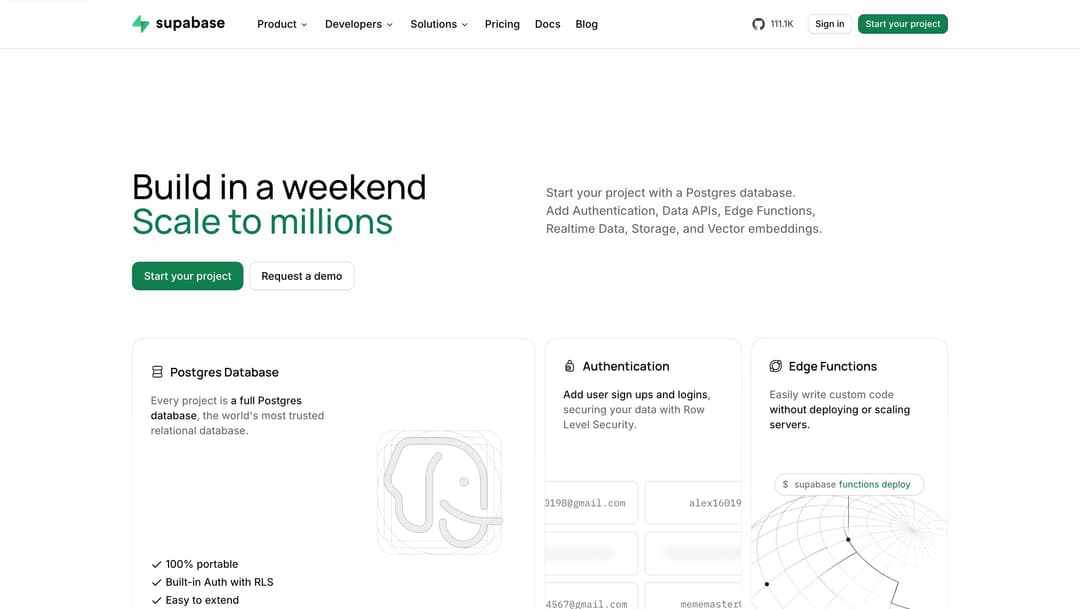 Supabase homepage showing navigation menu, headline "Build in a weekend, Scale to millions," feature cards for Postgres Datab
Industry: Developer Tools
Supabase is one of the most admired developer-focused websites on the web. Beyond its presentation, the platform brings PostgreSQL, authentication, storage, and real-time functionality together in one backend solution. For teams considering it for their next project, understanding the costs is just as important as exploring the features. FocusReactive’s Supabase pricing guide breaks down the available plans, usage limits, and additional charges to help developers estimate their budget as their applications grow.
Why Developers Love It
- Excellent documentation
- Outstanding design system
- Fast-loading pages
20. NerdWallet
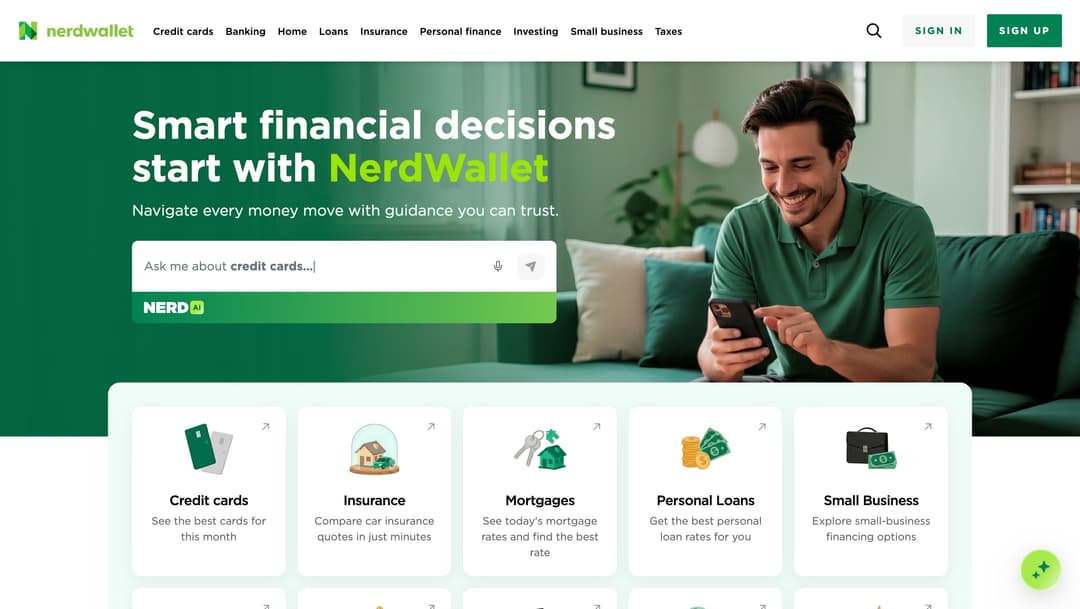 Nerd Wallet+next.js
Industry: Personal Finance
NerdWallet publishes thousands of SEO-focused pages efficiently via their massive Next.js website. Users comparing credit cards or calculating mortgages benefit from instant data updates. The technical SEO foundation directly supports their dominance in competitive financial search results.
Why It Matters
Content publishers benefit enormously from Next.js’s rendering flexibility.
21. Intercom
.png&w=1080&q=75) Intercom main page
Intercom main page
Industry: Customer Service Software / AI
Intercom builds customer service software for human support teams and AI agents, and its whole public website runs on Next.js. That includes the product and pricing pages, the blog and the Help Center. The marketing site and blog use the App Router with React Server Components, so most of the page is built on the server and less JavaScript is sent to the browser. The Help Center still runs on the older Pages Router. So Intercom isn’t migrating everything in one big rewrite: each part of the site is moved to the newer architecture on its own schedule.
Why It Stands Out
- Next.js 16 in production across the marketing site, the blog and the Help Center
- React Server Components on the marketing pages, so they ship less JavaScript
- App Router and Pages Router running side by side in different parts of one website
- Server-rendered help articles that search engines and AI crawlers can index fully
22. Linear
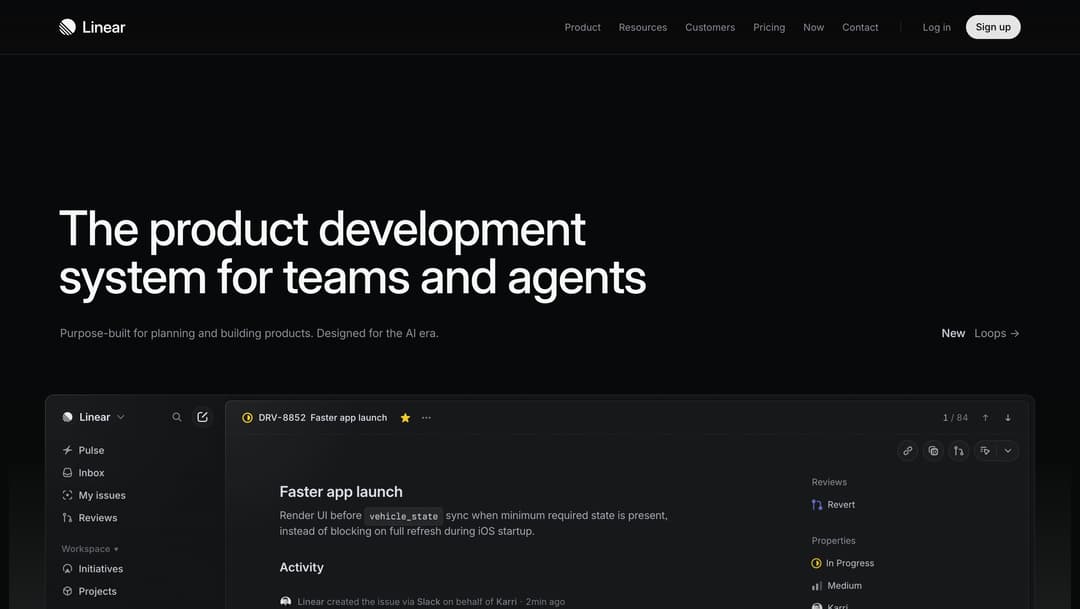 Linear main page
Industry: Project Management
Linear has become widely recognized for setting modern design standards with its breathtaking Next.js website. The dark-mode aesthetics and keyboard-first navigation principles are executed flawlessly. This extreme focus on craft has heavily influenced a new generation of SaaS web design.
Key Lessons
- Minimalism improves usability
- Fast interfaces create premium experiences
- Performance supports user satisfaction
23. Udemy
.jpg&w=1080&q=75) udemy main site
udemy main site
Industry: Online Learning
Udemy uses Next.js to power its vast catalog of courses, categories, and instructor pages. With millions of learners searching for new skills, a fast and SEO-friendly website helps users discover relevant courses while giving instructors greater visibility.
Why Next.js Helps
- Fast page loads improve course discovery and create a smoother browsing experience.
- SEO-friendly rendering helps Udemy rank for thousands of learning-related search terms.
24. Plaid
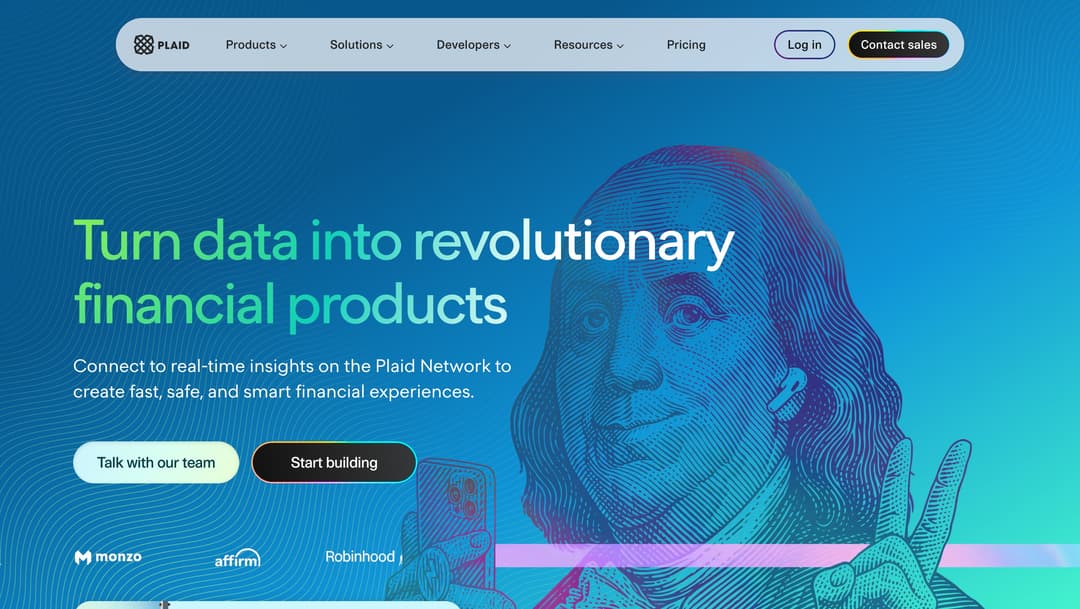 Plaid
Plaid
Industry: Fintech
Plaid uses clean design principles with a highly optimized fintech Next.js website architecture. Financial developers rely on their precise documentation and rapid sandbox environments. The framework’s reliability reflects the deep trust required for banking integrations.
25. Typeform
 FormBuilder
Industry: Forms & Surveys
Typeform delivers interactive user experiences with smooth animations on its beautifully optimized Next.js website. The fluid motion design never stutters, keeping users engaged throughout the marketing funnel. This attention to detail mirrors the conversational flow of their actual product.
26. Clerk
 Clerk website homepage displaying navigation menu, headline "More than authentication, Complete User Management" with descrip
Industry: Authentication
Clerk uses a highly optimized Next.js website to create educational and product-focused content experiences. By showcasing their authentication tools within a blazing-fast UI, they prove their own product’s value instantly. The seamless login flows serve as a live demonstration of their core capabilities.
27. Sanity
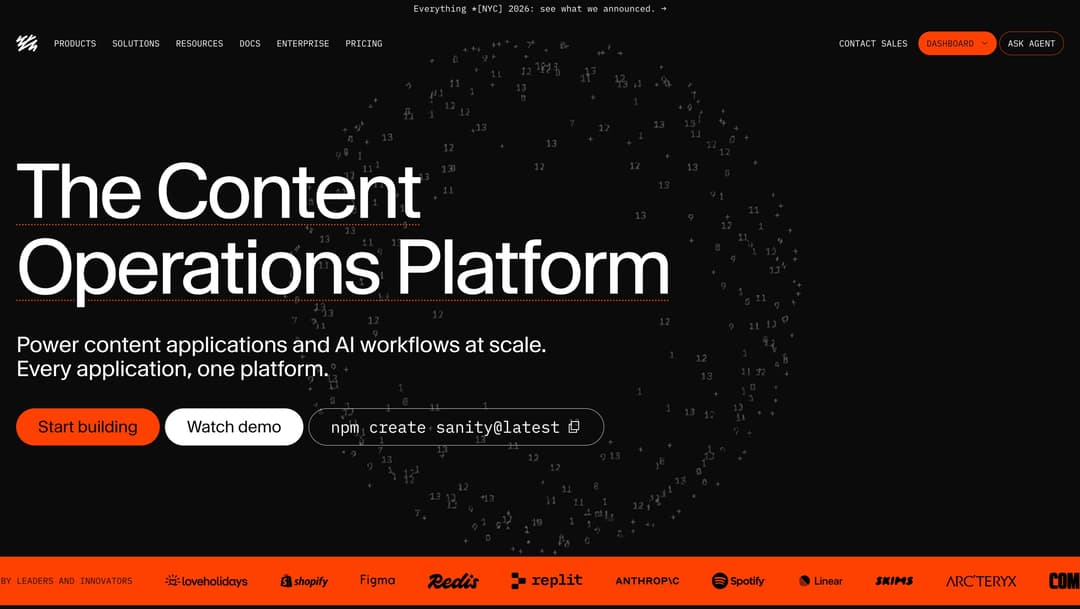 The Content Operations Platform homepage with white text on dark background featuring scattered numbers. Three action buttons
Industry: Headless CMS software
Sanity showcases how modern content platforms integrate perfectly to create a headless CMS Next.js website. They highlight real-time collaboration features and instantaneous preview capabilities. It serves as the ultimate proof-of-concept for their own composable content vision.
28. Prisma
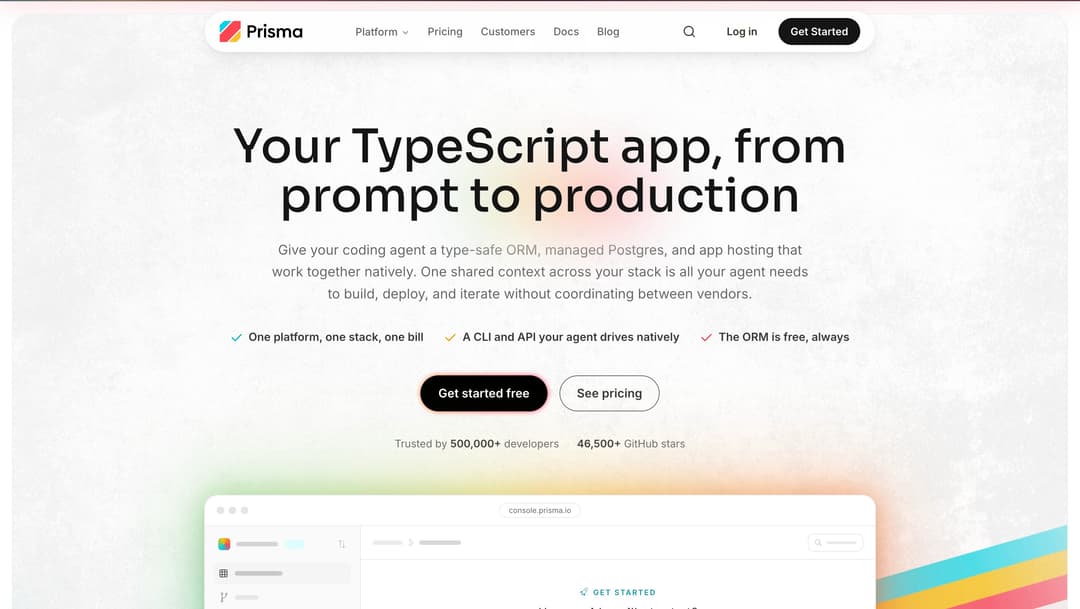 prisma site
Industry: Database Tools
Prisma’s documentation platform is frequently cited as a benchmark for developer experiences on a Next.js website. Syntax highlighting, deep linking, and search functionality execute instantly. This removes friction for developers integrating complex database schemas into their apps.
29. Raycast
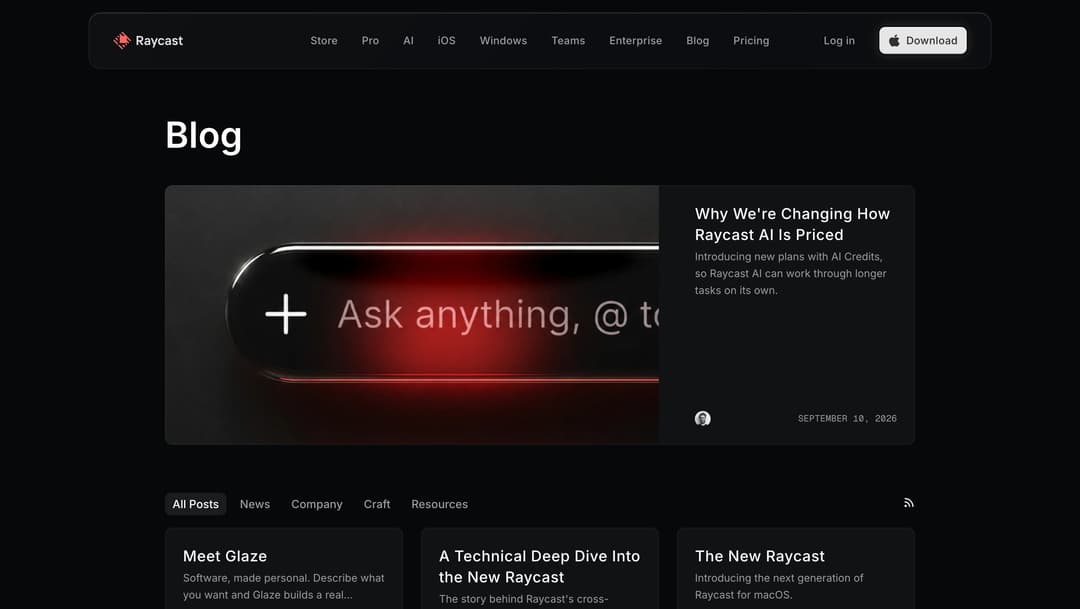 Next.js and Raycast main page
Industry: Productivity
Raycast combines modern aesthetics with excellent performance on their sleek Next.js website. The site perfectly mimics the native macOS feel of their desktop application. Fast, snappy interactions convince users of the tool’s underlying speed.
30. Retool
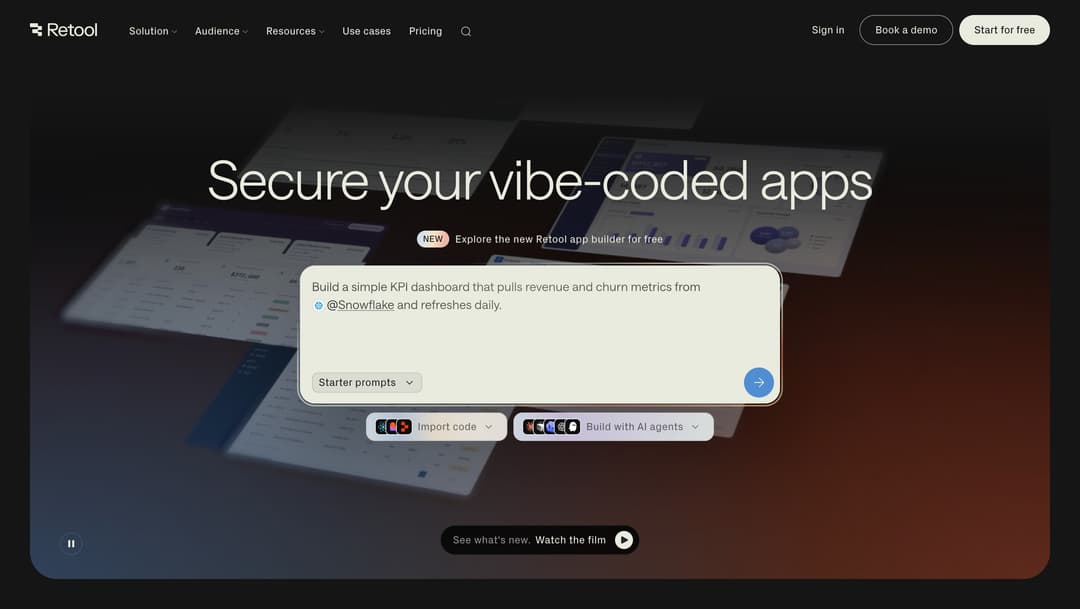 Retool homepage displaying "Secure your vibe-coded apps" with a KPI dashboard example and options to import code or build wit
Industry: Internal Tools
Retool demonstrates scalable SaaS marketing architecture built for growth on their B2B Next.js website. They seamlessly mix technical documentation, template galleries, and marketing copy into one cohesive property. The rapid page loads ensure enterprise buyers stay engaged during lengthy evaluation cycles.
31. Resend
 Resend homepage featuring "Email for developers" headline with 3D black cube illustration and navigation menu on dark backgro
Industry: Email Infrastructure
Resend is gaining attention for a clean developer-focused user experience on their modern Next.js website. The minimalist aesthetic directs complete attention to their API specifications and code snippets. This straightforward approach strips away marketing fluff in favor of immediate technical utility.
32. Claude AI
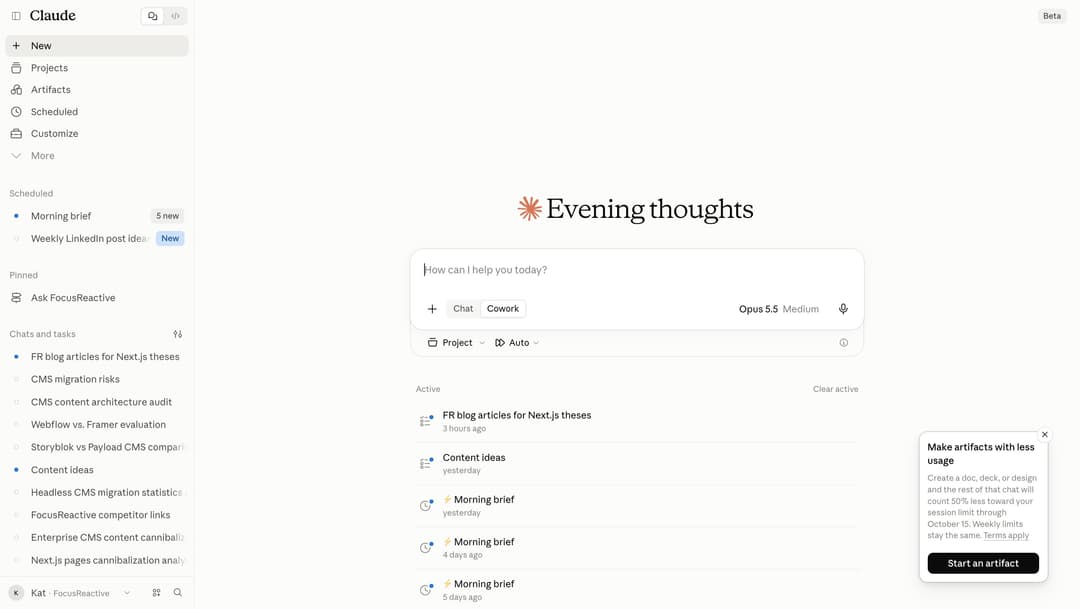 Claude
Industry: Artificial Intelligence
Claude showcases modern SaaS design patterns on an exceptionally fast AI chat Next.js website. The interface manages massive streaming text payloads without causing browser memory leaks. The refined typography and spacing create a calming environment for deep work.
33. Stripe
Industry: Finance
 Stripe Main Page
Stripe maintains its reputation for industry-leading design through a highly polished fintech Next.js website. The iconic sloped backgrounds and complex interactive payment demos run perfectly smooth. They continuously set the standard for what a B2B marketing site should feel like.
34. Cursor
Industry: Artificial Intelligence
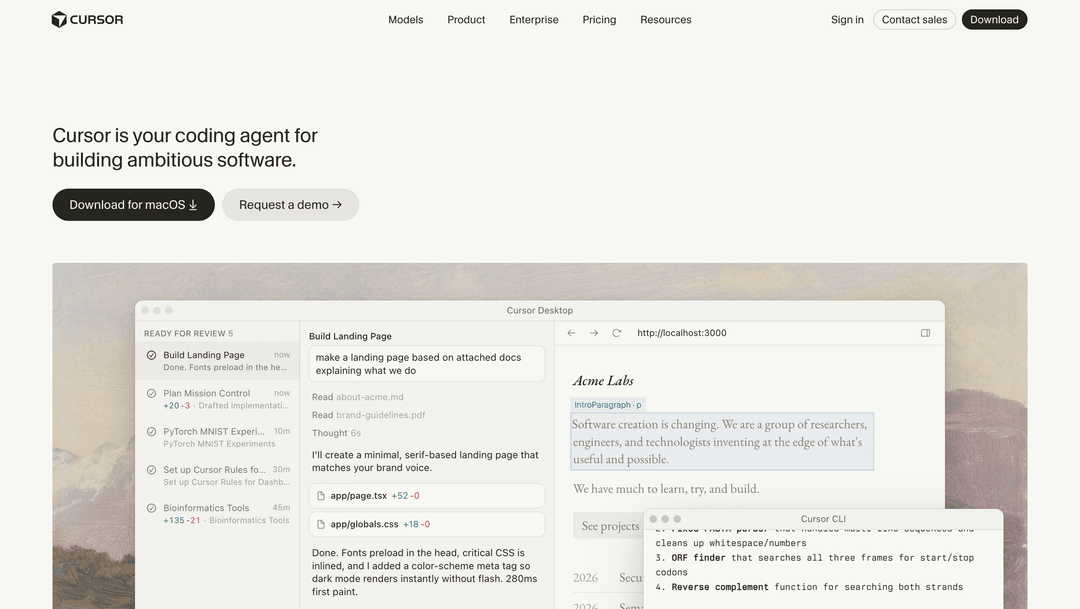 Cursor Main screen
Cursor turns an AI coding tool into a polished Next.js website, with a sleek interface that makes a technically complex product feel surprisingly approachable. Its landing pages combine sharp product messaging, interactive visuals, and smooth navigation to showcase AI-powered development without overwhelming visitors.
The site is a good example of how a developer-focused SaaS brand can use Next.js to balance performance, product storytelling, and a polished user experience.
35. Leonardo AI
 LeonardoAI
Industry: Generative AI / Creative Tools
Leonardo (owned by Canva) is an AI platform for generating images, art and video. The site has a hard job: it has to show off a product that is entirely visual (galleries of AI-generated images, model showcases, video previews) and still load quickly enough to turn visitors into sign-ups. Server Components let Leonardo send heavy, image-rich pages as server-rendered HTML instead of large JavaScript bundles. Next.js image optimization delivers each visual at the right size and format for the visitor’s device. The result is a site that looks like a creative tool but performs like a lean marketing page.
36. Figma
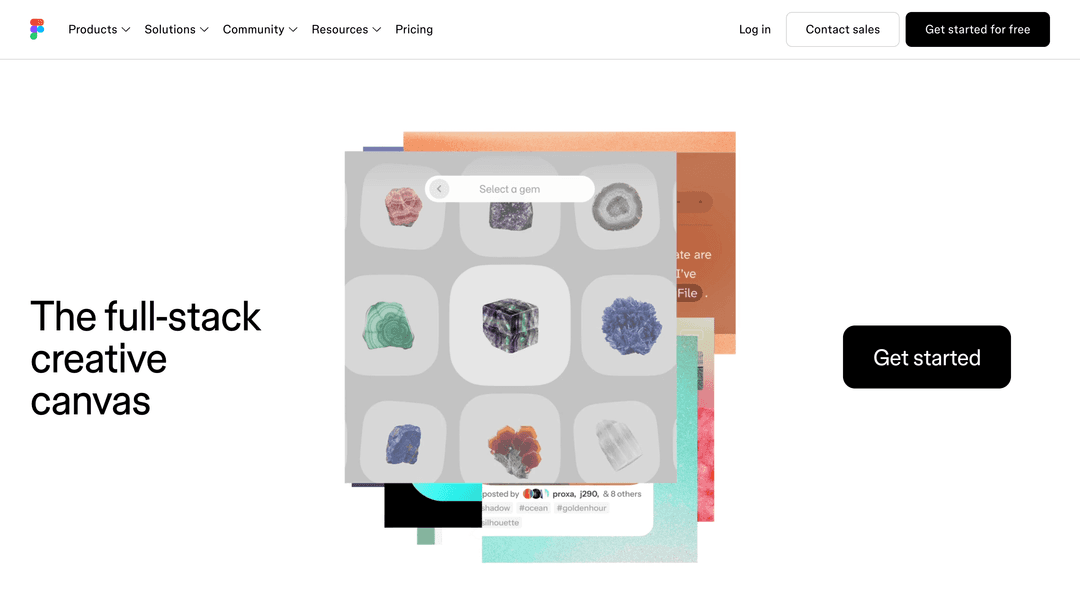 Figma main page
Industry: Design & Collaboration Software
If any company was going to make a marketing site look pixel-perfect, it was always going to be Figma. Its public-facing website runs on Next.js, powering product pages, pricing, documentation, and its blog, while the collaborative editor remains a specialized application.
This separation lets Figma use Next.js for fast, SEO-friendly discovery and storytelling without tying the marketing site to the demanding performance requirements of real-time design collaboration. In other words, Next.js brings designers to the party, while the editor keeps them there.
37. Bolt
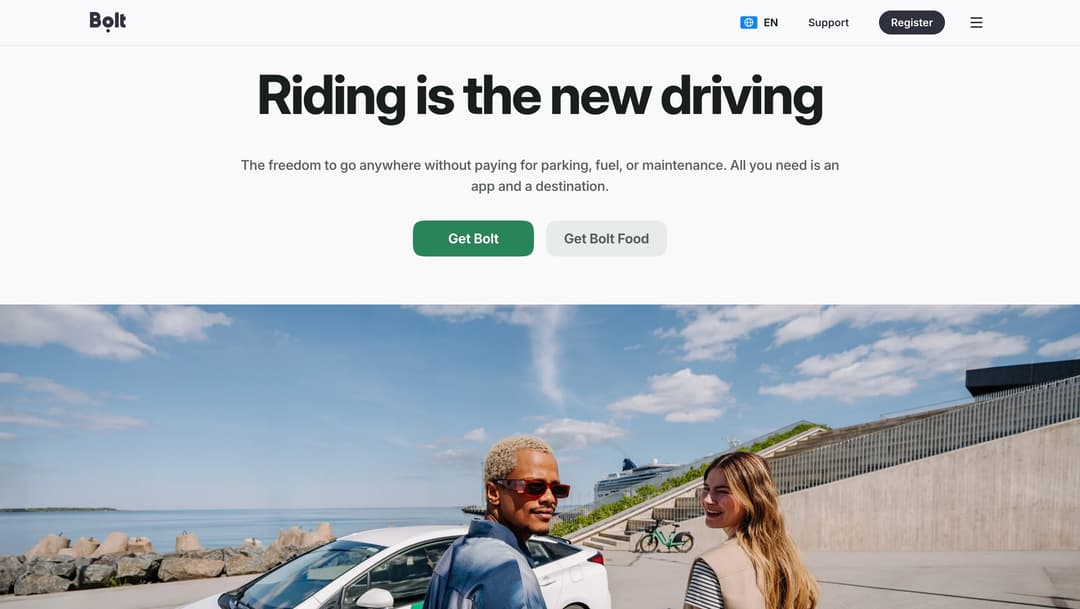 Bolt taxi main page
Industry: Ride-Hailing & Mobility
Bolt uses Next.js to power its marketing website, helping millions of potential riders and drivers quickly find local services, pricing information, and company updates. With operations across dozens of countries, Bolt needs fast-loading, SEO-friendly pages that can scale globally, and Next.js provides the performance and flexibility to make that happen. The result is a streamlined website focused on getting users from “Where can I go?” to “Let’s book a ride.”
38. Apollo
 Apollo AI sales platform homepage with signup form, email input field, and Google and Microsoft login options.
Industry: Sales Intelligence SaaS
Apollo combines sales intelligence, prospecting, and engagement tools in one SaaS platform. Its Next.js website presents a large product ecosystem through fast-loading product, solution, and resource pages designed for both search visibility and conversion.
39. Buffer
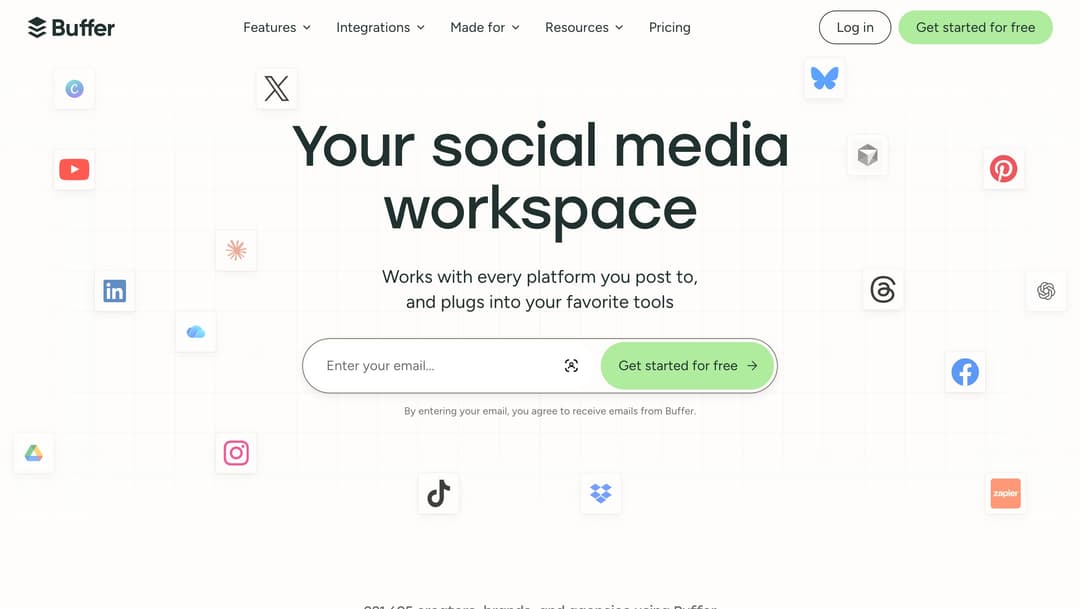 buffer hero
Industry: Social Media Management SaaS
Buffer’s website showcases its social media management platform through product pages, educational content, and resources. Next.js helps support a fast, content-rich experience while keeping the site easy to navigate and discover through search.
40. Tally
 Tally site main page
Industry: Forms & Productivity SaaS
Tally offers a simple, highly interactive form-building experience backed by a lightweight marketing website. Its Next.js implementation demonstrates how SaaS brands can combine interactive product experiences with fast, SEO-friendly marketing pages.
Common Patterns Found Across Successful Next.js Websites
After reviewing dozens of successful examples of websites built with Next.js, several trends become apparent.
Performance First
The most successful sites prioritize:
- Fast Time to First Byte
- Optimized images
- Efficient JavaScript delivery
- Strong Core Web Vitals
SEO-Driven Architecture
Many of these brands generate significant organic traffic through:
- Server-side rendering
- Dynamic metadata
- Structured data implementation
- Optimized URLs
Component-Based Design Systems
Leading organizations build reusable UI systems that allow rapid scaling and design consistency.
Headless CMS Adoption
Many successful Next.js projects pair the framework with:
- Sanity
- Payload
- Storyblok
- Contentful
- Hygraph
This approach combines faster content publishing with the flexibility of a modern frontend architecture. Marketing teams can update messaging, publish content, and launch campaigns independently, without waiting for engineering teams to deploy changes.
As organizations grow, however, maintaining a decoupled architecture introduces new challenges. One of the most important is cache management. Without a well-defined caching strategy, users may see outdated or inconsistent content after updates are published. As highlighted in FocusReactive’s guide on granular cache invalidation, leading Next.js teams increasingly rely on tag-based revalidation to solve this problem efficiently.
Rather than rebuilding an entire site or triggering large-scale cache purges, a CMS publish event can selectively refresh only the affected pages and components. This targeted approach keeps content fresh, preserves lightning-fast performance, and reduces unnecessary server load.
What Businesses Can Learn From These Next.js Showcase Websites
The most impressive Next.js showcase websites aren’t successful just because they use Next.js. They’re successful because they combine:
- Strong performance engineering
- Strategic SEO implementation
- Exceptional user experience
- Scalable architecture
- High-quality content
- Conversion-focused design
simply provides the foundation that enables those strengths to work together effectively.
Popular Next.js Alternatives
Next.js isn’t the only framework powering large websites. Angular, Nuxt, Astro, Laravel, and Django remain popular choices depending on the project’s scale, stack, and content needs. Among modern React-based options, however, Next.js remains one of the most widely adopted.
If you’re building an online store, the trade-offs change — storefront performance, cart logic, and commerce integrations matter more. See our guide to Next.js alternatives for headless eCommerce.
The Future of High-Performance Next.js Websites
The growing list of famous websites proves that the framework is no longer just a developer favorite. It has become a trusted choice for startups, Fortune 500 companies, SaaS platforms, media publishers, fintech brands, and global eCommerce leaders.
Maybe you’re building a startup landing page or a massive enterprise platform. Perhaps you’re launching a new digital magazine or an online store. Either way, studying these examples of websites built with Next.js provides valuable insights into modern web development. Ultimately, this knowledge will help you create a high-performing site that both search engines and users love. Planning Your Own Next.js Website?
Talk to our Next.js experts → and tell us what you’re building. We’ll give you an honest take on timeline, the best site architecture, and what it will take to get your site performing like the ones above.